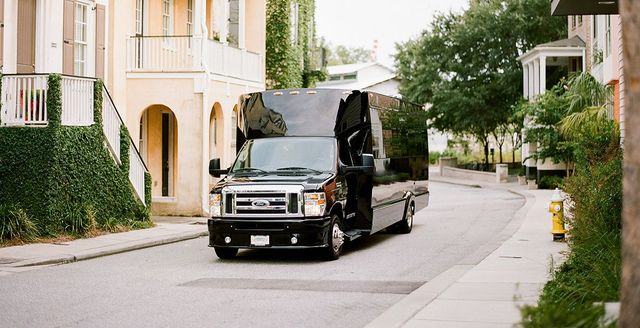
Planning transportation for a group event can feel overwhelming, especially when timing, comfort, and coordination all need to align perfectly. For corporate, personal, or celebratory events, transportation plays a key role in shaping impressions from start to finish. Thoughtful planning minimizes tension, maintains punctuality, and fosters a relaxed experience for participants. Moving guests efficiently requires careful planning to copyright the event’s flow and tone. Efficient coordination allows attendees to concentrate on the event instead of travel issues. Thoughtful planning transforms transportation into a seamless part of the overall experience.
Lowcountry Valet understands how critical details influence successful event logistics. Experience with group travel demonstrates that advance planning, clear communication, and adaptability are vital for seamless execution. Group transportation should feel effortless to guests, even though it requires careful behind-the-scenes planning. Anticipating needs ahead of time allows schedules to remain intact and expectations to be exceeded. When transportation is handled properly, it enhances the event’s tone and elevates the overall atmosphere. These insights are designed to help planners and hosts create organized, smooth-running events that leave a lasting impression.
Assessing Your Event’s Transportation Needs
Effectively handling group travel begins with knowing all aspects of the event. Consider the number of attendees, type of gathering, and full schedule. Event type dictates travel requirements, and early clarity prevents issues. Understanding when and how guests will arrive and leave informs the schedule. By clearly outlining these factors early, transportation can be aligned with the event’s flow rather than becoming an afterthought. Thorough planning creates a solid basis for subsequent choices.
Guest experience while traveling is as important as the event itself. The journey helps build excitement and establishes the expected level of formality. Knowing the tone—sophisticated or casual—guides vehicle choices and timing. Group size alone does not define the scope, as staggered arrivals or multiple destinations can add complexity. Taking time to map out every movement ensures no segment of the group feels overlooked. Mindful planning ensures transportation complements the occasion.
Creating a Detailed Transportation Timeline
A clear transportation timeline is essential for keeping group logistics on track. Establishing specific pickup and drop-off windows helps maintain structure while allowing room for minor adjustments. The schedule must align with the program and consider moving between sites. Matching transit with the timeline reduces interruptions and improves flow. Including extra time in the schedule eases tension and handles contingencies. A well-designed schedule maintains cohesion while avoiding haste.
Communication plays a vital role in making a timeline effective. All participants should know pickup points and timing. Transparency avoids misunderstandings and missed transfers. A well-communicated plan allows guests to relax, knowing their transportation has been thoughtfully arranged. The schedule guides transportation personnel and organizers alike. Shared clarity makes coordination effortless.
Choosing Appropriate Transportation for the Group
Choosing the appropriate vehicles is a key factor in group transportation success. Consideration of passengers, trip length, and comfort needs informs vehicle choice. Vehicles should offer ample space so guests can travel comfortably without feeling crowded. Interior features also contribute to the overall experience, especially during longer rides. Choosing transport in line with the event’s style maintains a cohesive look. Appropriate vehicles elevate the group travel experience.
Accessibility is as important as interior space and comfort. Guests may have different requirements, which must be anticipated. Easy entry and exit prevent delays and reduce stress. Matching vehicle appearance adds polish to the overall presentation. When the transportation fleet feels unified, it adds to the overall polish of the experience. Attention to these details reflects a commitment to guest satisfaction.
Coordinating Professional Chauffeurs and Support
Professional chauffeurs are central to executing smooth group transportation logistics. With experience, chauffeurs can handle unexpected situations and adjust as needed. Coordinated planning guarantees chauffeurs follow the schedule and meet expectations. Lowcountry Valet ensures careful planning and expert service for steady, stress-free group transport. Skilled driving supports on-time arrivals, safe travel, and guest satisfaction. Well-managed coordination instills trust among organizers and guests.
Back-end coordination helps maintain smooth transportation. Ongoing communication between coordinators and chauffeurs allows adjustments to be made in real time. Adaptive planning ensures minimal disruption from small changes. Informed drivers help guests feel comfortable and confident. The combination of preparation and adaptability ensures transportation remains reliable. This approach minimizes disruptions and supports a positive guest experience.
Managing Guest Communication Effectively
Effective messaging to guests ensures transportation success. Sharing concise directions allows participants to arrive prepared. Early information helps guests feel ready and assured. Uniform communication minimizes confusion and inquiries. Communication should be concise yet thorough, covering pickup times, meeting points, and general expectations. Attendees who understand the plan help travel flow efficiently.
Updating guests prior to the event improves alignment. Reminders help ensure everyone stays aligned with the transportation plan. Advance updates reflect thorough coordination and preparation. Participants respond positively to clear instructions for coordinated travel. Effective communication fosters trust and cooperation among attendees. Guided participants allow logistics to function seamlessly.
Planning for Flexibility and Unexpected Changes
Unexpected developments can occur despite thorough preparation. Building flexibility into transportation logistics allows adjustments without disrupting the overall experience. Including buffer periods mitigates delays and reduces tension. Anticipating potential challenges helps planners respond calmly and efficiently. Adaptable planning maintains reliable travel under varying circumstances. Being flexible is key to professional event management.
Planning ahead requires protocols for unforeseen circumstances. When everyone involved knows how adjustments will be communicated, confusion is minimized. Adaptable scheduling ensures smooth operations and guest ease. Transportation should feel steady and reliable, even when the plan evolves. This resilience enhances the event’s professionalism. Well-handled transport improves overall event enjoyment.
Maximizing the Impact of Transportation on Events
Transportation for the group directly affects event perception. A smooth ride sets a positive tone and reinforces the quality of the event. Comfort, punctuality, and professionalism all contribute to guest satisfaction. Group transportation more info should complement the event seamlessly. Smooth transportation reinforces the purpose and energy of the gathering. Careful coordination enhances every aspect of the event.
At the conclusion, group travel contributes to a memorable ending. Smooth send-offs leave a favorable final impression. Lowcountry Valet maintains the same quality for departures as arrivals for a cohesive experience. Participants notice and enjoy a polished exit process. Careful coordination underscores the importance of professional travel management. A thoughtfully managed exit finalizes the occasion efficiently and comfortably.